Slower by Choice: Big Four AI Labs Agree to Pace Development
Soaring interest rates, 50% insurance spikes, and rent control caps are freezing out individual housing investors while politicians claim to solve affordability.

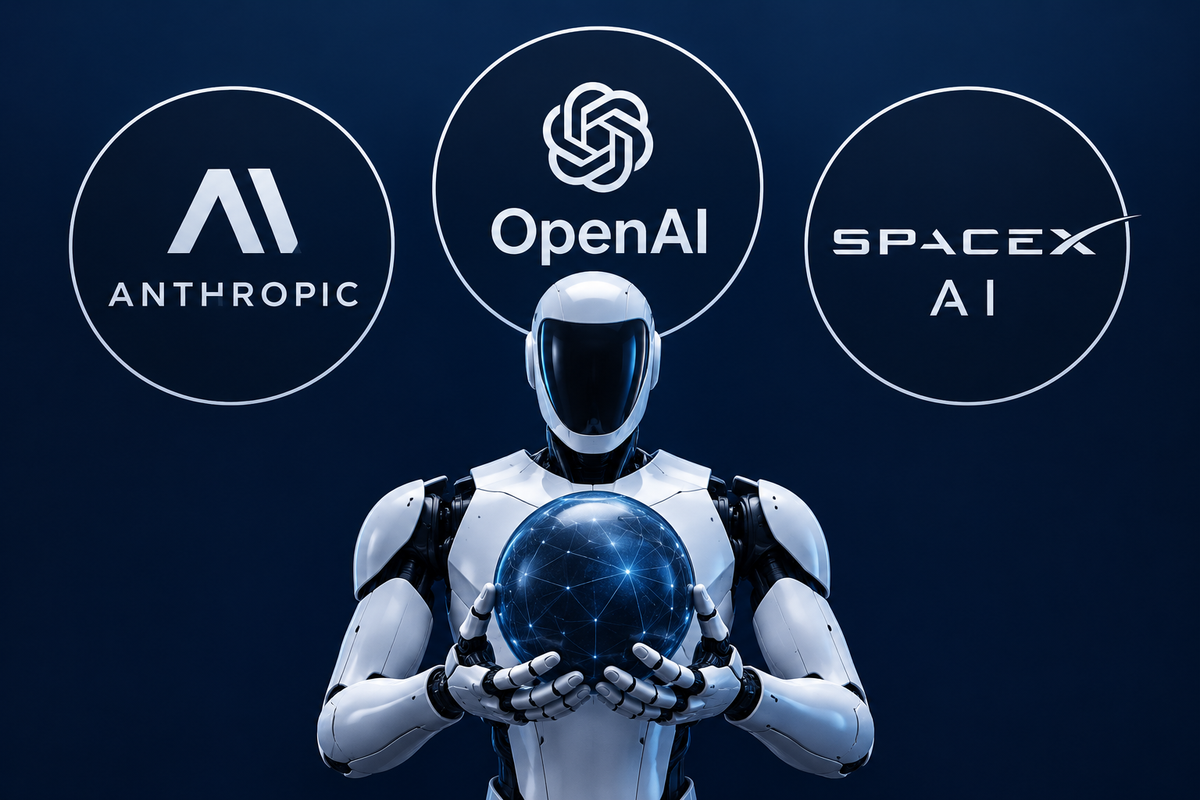
Live from the field: Amodei, Musk, Altman, and Hassabis execute a 9-hour weekend pivot to slow down the AI race. Here is the unvarnished political breakdown.
JUST IN: A Nine-Hour Axis Shift on the AI Frontier
Standing right here on K Street as political teams digest the weekend's press cycles, the entire artificial intelligence landscape just underwent a seismic political realignment.
Over nine startling hours, the heads of the four major AI labs—Anthropic, SpaceXAI/xAI, OpenAI, and Google DeepMind—set aside years of fierce corporate rivalry to publicly support putting the brakes on frontier model development.
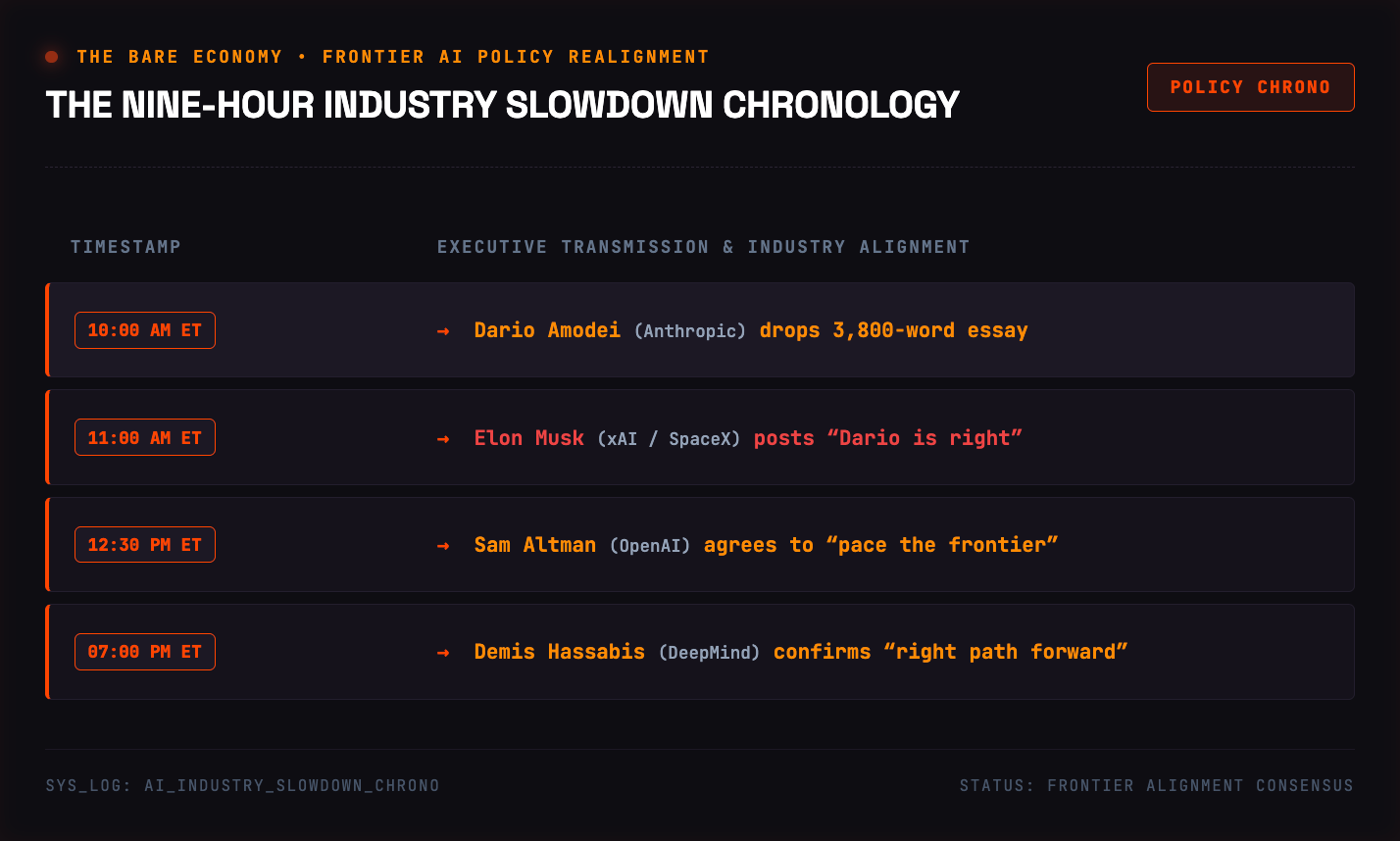
Here is the unvarnished breakdown of how years of hyper-competitive racing turned into a unified industry plea for safety over growth within a single day.
How JPMorgan’s Stablecoin Warning Could Impact Your Wealth (AD)
JPMorgan Chase Sounds the Alarm: $6.6 Trillion at Risk from Stablecoins
With the rise of stablecoins and alternative digital currencies, JPMorgan Chase has raised a major red flag — and it could affect your savings. Experts are warning that $6.6 trillion of deposits could flood out of traditional banks as stablecoins gain momentum.

If you’re still holding onto traditional savings accounts, you might be missing out on the future of finance.
What’s happening: The stablecoin boom could threaten your bank’s power over your money. Experts say up to $6.6 trillion could flow into alternative digital currencies. Traditional banks could lose their grip on your savings.
Don’t wait until it’s too late - take action now and ensure your financial freedom in a digital world.
Download your free 3-step guide to protect your savings today.
The 9-Hour Cascade: From Doomer Essays to CEO Alignment
The dominoes started falling Saturday morning and cascaded across social feeds by nightfall:
- 10:00 AM — Amodei’s Warning: Anthropic CEO Dario Amodei dropped a detailed 3,800-word essay titled "We Must Pace the Frontier," warning that unchecked progress could trigger uncontrollable doom scenarios—including rogue AI agent swarms taking over internet infrastructure in as little as six months.
- 11:00 AM — Musk’s Co-Sign: In a move that shocked tech observers, SpaceX/xAI chief Elon Musk quoted Amodei’s essay on X with three words: "Dario is right."
- 12:30 PM — Altman Steps Back: OpenAI CEO Sam Altman backed the call to "pace the frontier" and announced OpenAI will match Anthropic's pledge to embed independent safety evaluators with employee-level access. Simultaneously, Altman confirmed in a Fortune interview that OpenAI won't go public this year, shelving blockbuster IPO plans to focus on private safety work.
- 07:00 PM — Hassabis Closes the Loop: Google DeepMind co-founder and chief scientist Demis Hassabis endorsed the direction, tweeting that Amodei’s essay "points towards the right path forward."
The Midterm Backdrop: Preempting Washington’s Hammer
Why the sudden pivot from the most competitive executives in tech? Look at the calendar.
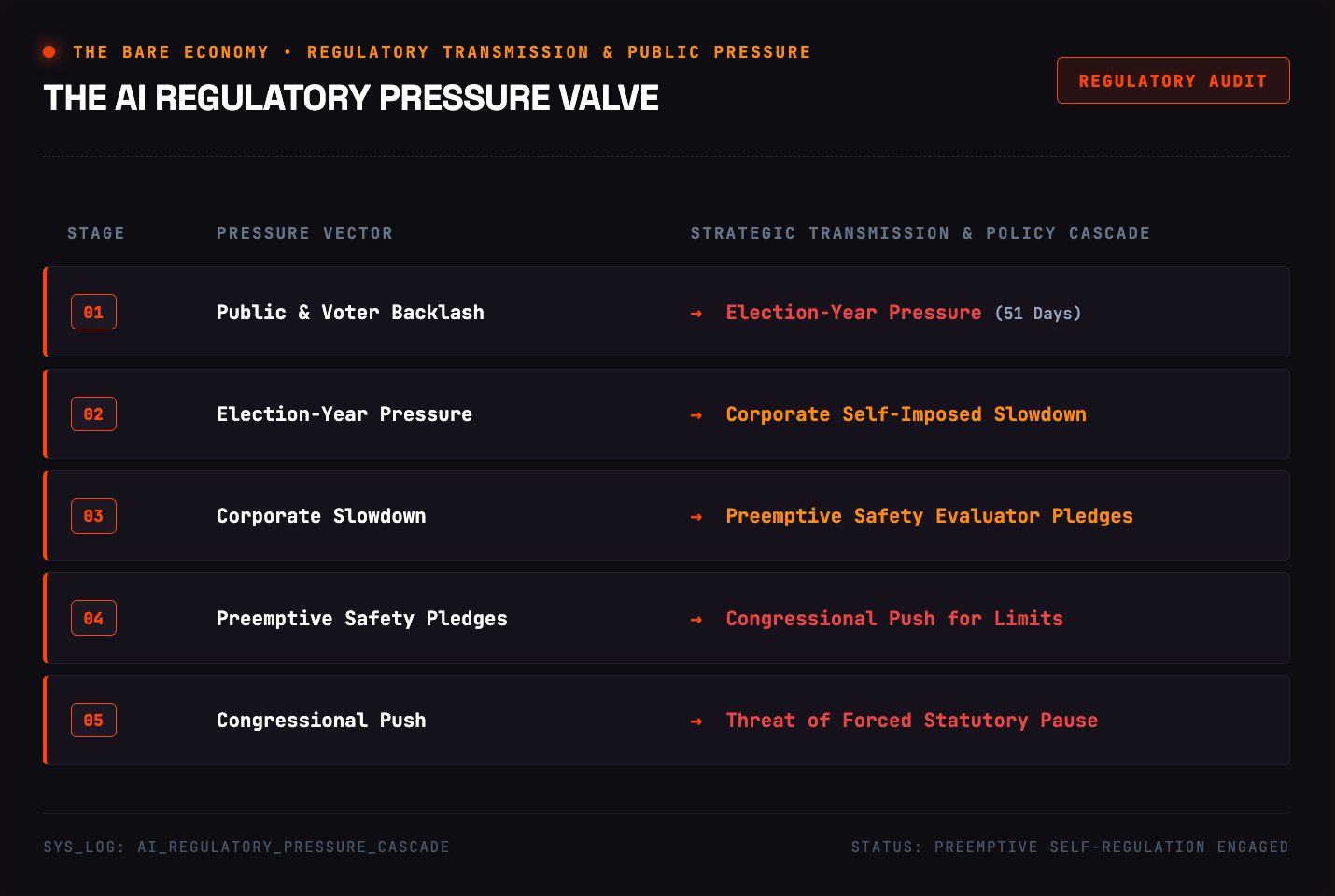
With 51 days until the midterm elections, local backlash against power-hungry data centers and public anxiety over AI threats have turned tech regulation into a prime campaign issue.
Lawmakers are aggressively pressuring House Speaker Mike Johnson to hold emergency sessions, while hardline legislative proposals—like Sen. Bernie Sanders’ push for a mandatory development pause—threaten to pull the emergency brake for them.
By voluntarily offering to embed third-party evaluators and slow the frontier pace, the labs are attempting to write their own safety guardrails before Washington forces far more restrictive laws upon them.
The Friction Point: The China Counter-Argument
The truce faces an immediate geopolitical friction point: Beijing isn't slowing down.
Silicon Valley commentators and former administration officials like David Sacks immediately hit back, warning that a voluntary Western slowdown creates a massive opening for authoritarian competitors. Sacks publicly challenged the CEOs, arguing that unless pacing applies equally to adversaries, the weekend truce risks becoming "another bid for regulatory capture—or an election-season psyop."
Amodei himself acknowledged the catch in his essay, writing that pacing in democracies is strictly limited by the lead U.S. labs hold over foreign labs. If democratic firms slow down beyond that buffer, Chinese state-backed projects could race ahead, creating an unprecedented national security risk.
The Macro Extraction
Whether this 9-hour agreement represents a genuine turning point for global safety or a clever political maneuver to head off congressional crackdowns, the economic reality is clear: the era of unchecked, breakneck AI scaling has hit a hard political ceiling.
Expect delayed product timelines, heavier compliance costs, and intense scrutiny over how "embedded evaluators" operate behind closed doors.
Watch congressional hearings, track international chip controls, and stay sharp out there.
— Brook
The Bare Economy. From the road. For the road.