JUST IN: White House Admits $3 Gas Target Is Dead — Vance Points Finger at Tehran
Soaring interest rates, 50% insurance spikes, and rent control caps are freezing out individual housing investors while politicians claim to solve affordability.

Jensen Huang moves to control the "GitHub of AI." Here is Brook’s unvarnished field breakdown on what this means for open-source AI and developer hardware.
🗺️ Current Dispatch: Washington, D.C.
⛽ Local Diesel: $4.25/gal
☕ Diner Coffee Index: $4.50 — black, standard paper cup. 7/10.
The White House Steps to the Podium
Standing right outside the West Wing press briefing room today, the room was thick with static as Vice President JD Vance took the podium for the White House’s first formal press briefing since July.
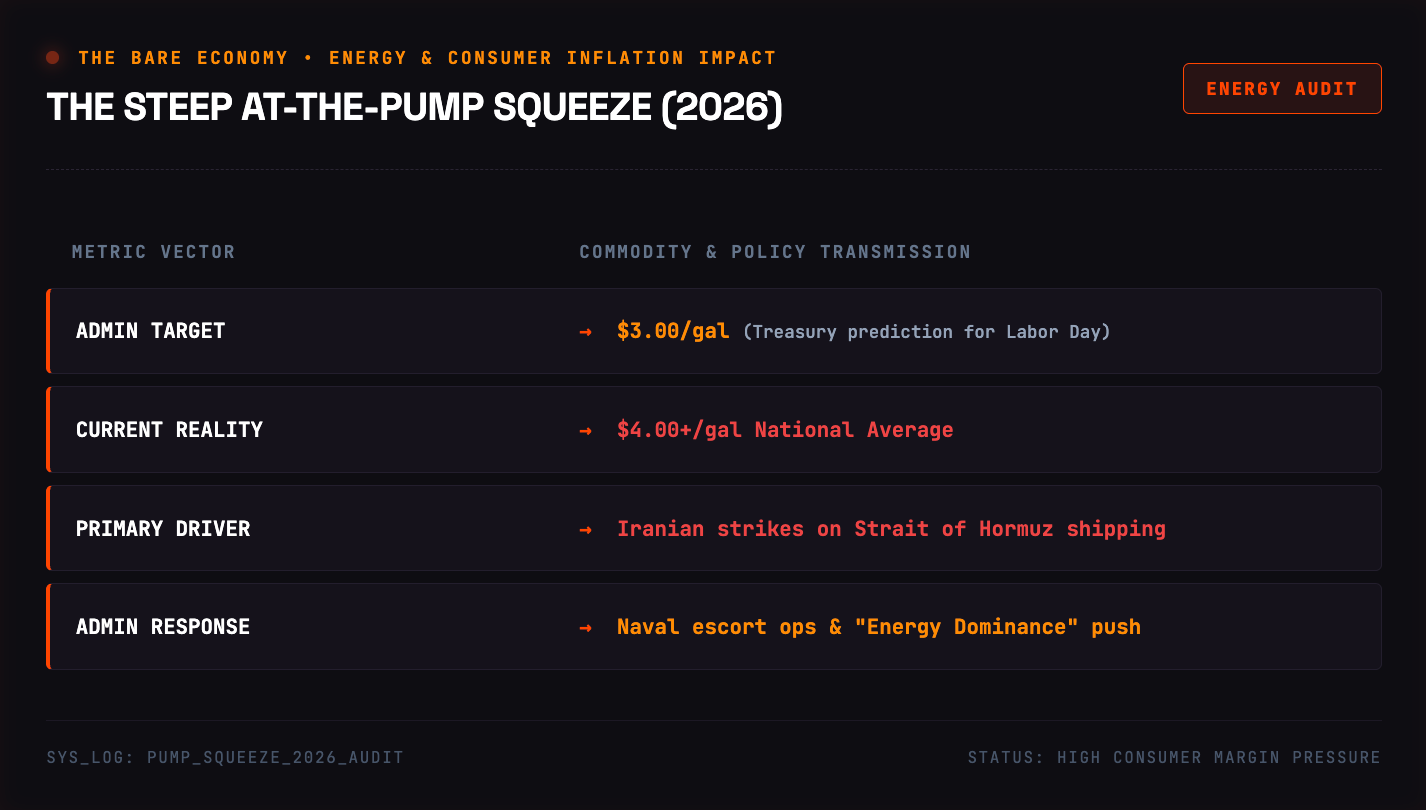
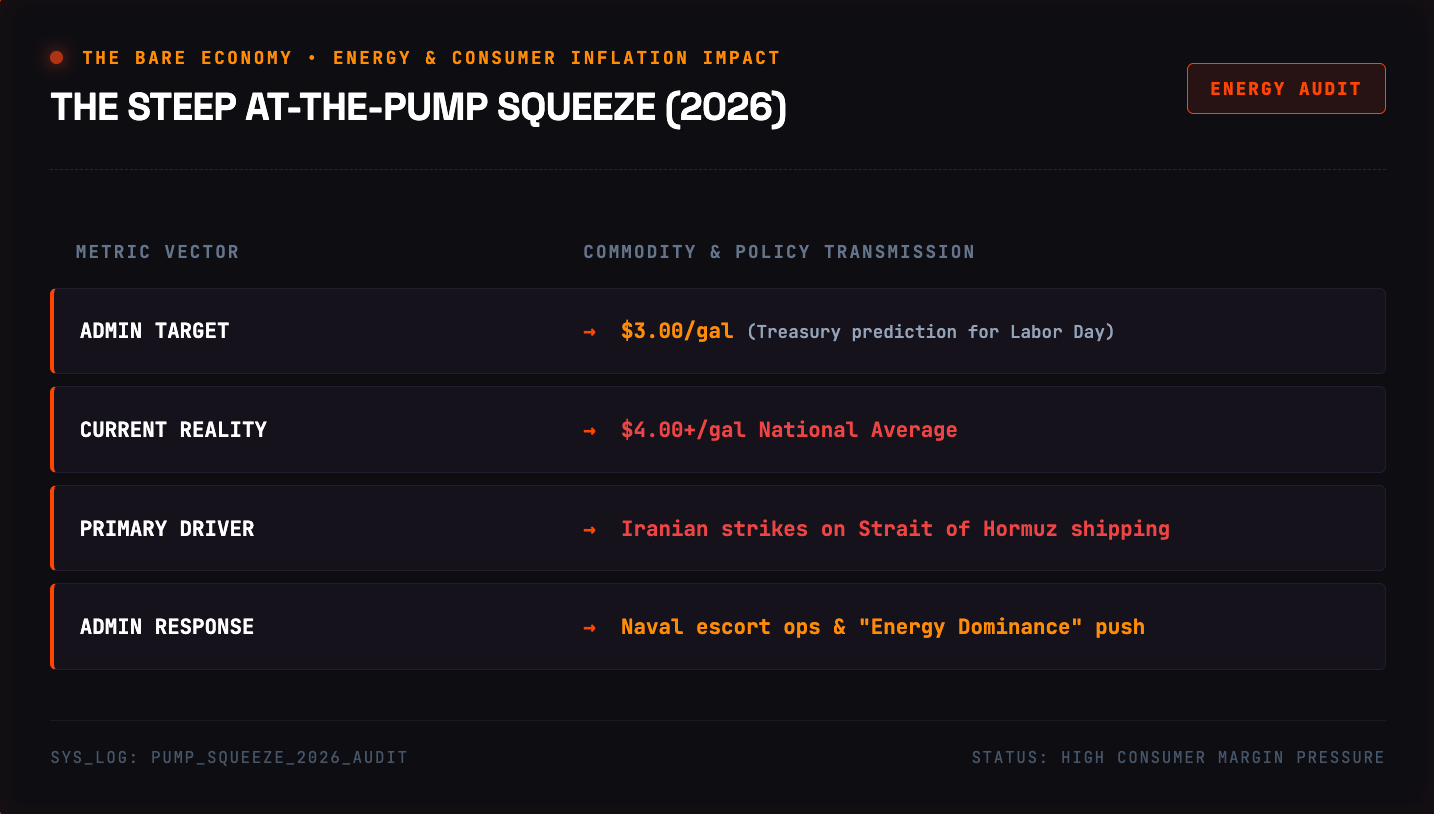
With national retail gasoline averaging above $4 a gallon, reporters immediately pressed Vance on when working families would finally see relief at the pump. Pushed on earlier administration projections from Treasury Secretary Scott Bessent—who had suggested gas could cool off to $3 a gallon by Labor Day—Vance offered an unvarnished reality check:
"I'm not going to make a promise about when it's going to return to $3."
The Anatomy of the Energy Spike
Vance laid the blame for persistent price pain squarely on Middle East conflict and maritime trade disruptions, pointing to Iranian strikes on commercial shipping tankers in the Strait of Hormuz as the primary driver keeping global crude markets inflamed.
- Unpredictable Global Chokepoints: Vance emphasized that energy markets remain inherently unpredictable when foreign adversaries target commercial shipping lanes. "The fundamental reality is that the reason gas prices are so high right now is because the Iranians are shooting at commercial shipping," Vance told reporters.
- Naval Escorts Holding the Line: The Vice President argued that without active U.S. military efforts to shield commercial vessels moving through the Persian Gulf, fuel costs would be drastically higher. He noted that roughly 15 million barrels of oil still managed to transit the Strait of Hormuz over the past 24 hours despite ongoing hostility.
- No Artificial Timelines: Refusing to set a deadline for market stabilization ahead of the upcoming midterm elections, Vance reiterated that Washington will not establish artificial timelines while conflict directly threatens international energy transit.
Political & Economic Friction
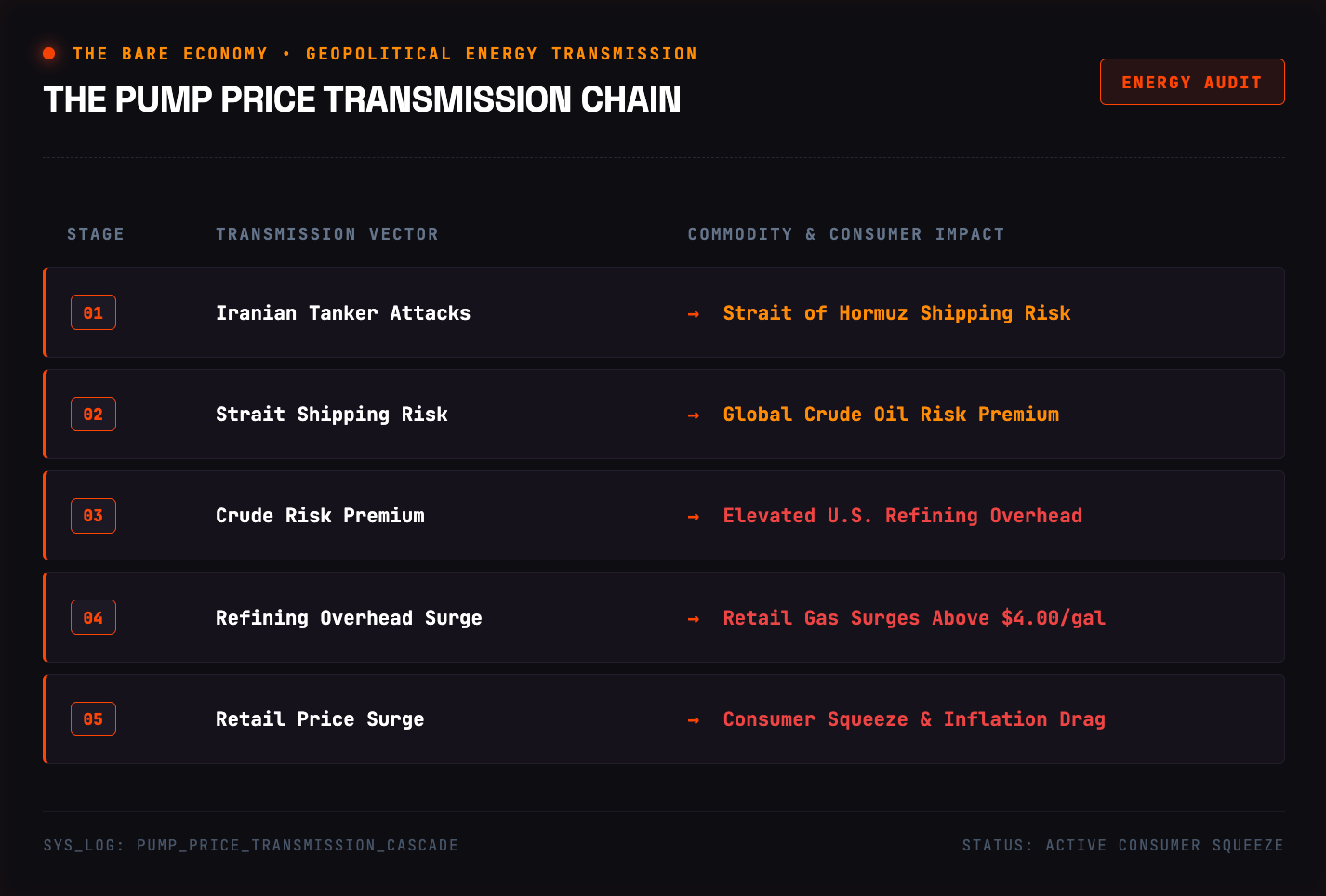
The admission from the podium highlights a mounting political headache for Washington as persistent energy inflation directly strains consumer budgets:
- The Retail Reality: High fuel costs act as a regressive tax on commuters, freight operators, and logistics networks, feeding directly back into broader consumer price inflation.
- Long-Term Supply Deals: To counter global supply shocks, Vance pointed toward broader long-term domestic and international energy initiatives—including the administration's recently finalized energy agreement involving Venezuelan oil fields—though officials acknowledge those supply pipelines will take years to fully impact domestic pump prices.
The Macro Extraction
When official price promises meet geopolitical reality, the consumer always pays the difference at the pump.
As long as critical maritime energy chokepoints remain under active fire, expect energy volatility to remain elevated. Budget for higher freight and transport overhead, audit your household fuel exposure, and don't build financial plans on political price targets.
Keep your capital guarded, hold your ground, and stay sharp out there.
— Brook
The Bare Economy. From the road. For the road.